

Macular Degeneration: What You Need to Know
Macular degeneration, or age-related macular degeneration (AMD), is a disease that destroys your central vision and is a leading cause of severe vision loss in Americans 50 and older. The macula is the part of the eye that allows you to distinguish details. This eye disease occurs when there are changes to the macula, a small portion of the retina that is located on the inside back layer of the eye. AMD is a loss of central vision that can occur in two forms: “dry” (atrophic) and “wet” (exudative). Most people with macular degeneration have the dry form, for which there is no known treatment. The less common wet form may respond to laser procedures and medication injections, if diagnosed and treated early.
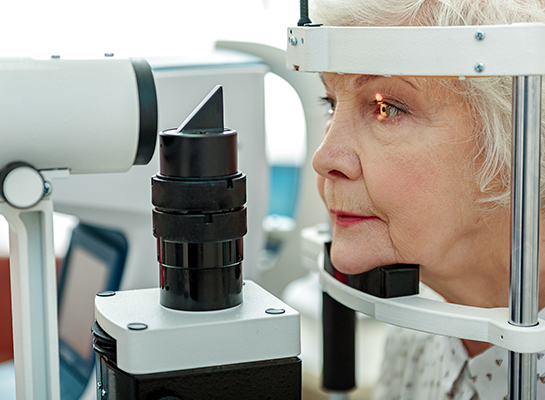
Macular degeneration, or age-related macular degeneration (AMD), is a progressive eye disease that destroys your central vision and is one of the leading causes of severe vision loss in Americans 50 and older. The macula is the central part of the retina, located on the inside layer of the eye, and is responsible for clear vision. This loss of central vision can occur in two forms: “dry” (atrophic) and “wet” (exudative). Most people with macular degeneration have the dry form, for which there is no known treatment. The less common wet form may respond to laser procedures and medication injections, if diagnosed and treated early.
Common symptoms include blurriness, dark areas in the center of vision, and distortions in sight. While there is no cure, treatments such as anti-VEGF injections, laser therapy, and lifestyle changes can slow progression. Dr. Hart emphasizes early detection and personalized treatment plans to manage symptoms and maintain quality of life.
Early symptoms include:
• Blurred or distorted vision.
• A dark area or blind spot in the center of vision.
• Straight lines appearing wavy or crooked.
• Reduced clarity of color vision.
We provide specialized care for those dealing with this condition. While we cannot reverse the effects of this disease, we can slow the progression. It is important to get regular comprehensive exams to detect the disease before it causes too much damage.
Diagnosis typically involves:
• Visual acuity testing.
• Amsler grid usage to detect distortion or blind spots.
• Fundus photography to identify drusen or macular changes.
• Optical coherence tomography (OCT) for detailed imaging of the macula and retina.
Dry (atrophic) AMD is the more common type, characterized by the gradual degeneration of retinal cells. While not curable, treatment includes supplementing or changing one’s diet. In some cases, laser surgery may be an option. A healthy diet may help preserve remaining vision.
Wet (exudative) AMD is less common but very rapid. It involves abnormal blood vessel growth under the macula, which may leak fluid — leading to faster and more severe central vision loss. This form may respond to medical or surgical interventions if caught early. Dr. Hart notes that this form may respond to treatments such as medication, injections, and laser procedures when caught early.
If you’re concerned about AMD — or want screening and tailored treatment — scheduling a comprehensive exam at Hart Eye Center is a prudent step. Let me know if you’d like help arranging an appointment or getting directions!To read more, click here.
If you would like to schedule a comprehensive eye exam, call 337-439-4014.